![Navigating Landlord-Tenant Disputes in [City]: A Comprehensive Guide](https://pub-61d0516b43b34d60b459185fed874027.r2.dev/clients/cmthqvvxz0001i7c0qrgmk321/media/psiholog-georgescu-navigating-landlord-tenant-disputes-in-city-a-comprehensive-mtn5aa30.webp)
As a landlord or tenant in [City], it's essential to understand your rights and obligations to avoid disputes. However, when conflicts arise, knowing how to navigate the situation can save time, money, and stress. In this article, we'll explore the common causes of landlord-tenant disputes, the laws governing these relationships, and provide practical tips for resolving issues amicably.
Table of Contents
Key Points of This Article
- Common causes of landlord-tenant disputes in [City]
- Understanding [City]'s landlord-tenant laws
- Practical tips for resolving disputes amicably
- The importance of written agreements and documentation
Common Causes of Landlord-Tenant Disputes in [City]
Landlord-tenant disputes in [City] can arise from various issues, including non-payment of rent, property damage, and disagreements over lease terms. One of the most common causes of disputes is the lack of clear communication between landlords and tenants. When expectations are not clearly defined, misunderstandings can lead to conflicts. For instance, if a tenant is unsure about their responsibilities regarding property maintenance, they may neglect their duties, leading to disputes with the landlord. Similarly, if a landlord fails to provide adequate notice for rent increases or lease terminations, tenants may feel blindsided, resulting in disputes.
Understanding [City]'s Landlord-Tenant Laws
In [City], landlord-tenant relationships are governed by specific laws and regulations. The [City] Residential Landlord-Tenant Act outlines the rights and responsibilities of both landlords and tenants. For example, landlords are required to provide safe and habitable living conditions, while tenants are expected to pay rent on time and maintain the property. Understanding these laws is crucial for both parties to avoid disputes and ensure a smooth landlord-tenant relationship.
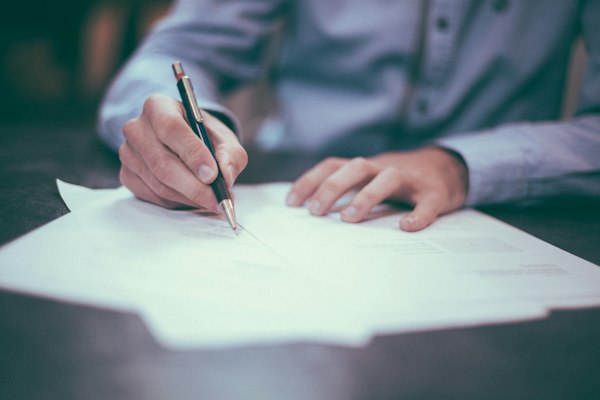
A written agreement is essential in any landlord-tenant relationship. It provides a clear understanding of the terms and conditions, including rent, lease duration, and responsibilities.
Practical Tips for Resolving Disputes Amicably
When disputes arise, it's essential to approach the situation calmly and professionally. Here are some practical tips for resolving disputes amicably: Communicate clearly and respectfully with your landlord or tenant. Keep detailed records of correspondence and agreements. Seek mediation or arbitration if necessary. Consider hiring a real estate attorney to represent your interests.
The Importance of Written Agreements and Documentation
Written agreements and documentation are crucial in any landlord-tenant relationship. They provide a clear understanding of the terms and conditions, including rent, lease duration, and responsibilities. By having a written agreement, both parties can avoid misunderstandings and disputes. Additionally, documentation such as receipts, invoices, and correspondence can serve as evidence in case of disputes.
If you're a landlord or tenant in [City], it's essential to understand your rights and obligations. Seek the advice of a real estate attorney if you're unsure about any aspect of the landlord-tenant relationship.
Conclusions and Recommendations
In conclusion, navigating landlord-tenant disputes in [City] requires a clear understanding of the laws and regulations governing these relationships. By communicating effectively, keeping detailed records, and seeking professional advice when necessary, both landlords and tenants can avoid disputes and ensure a smooth relationship. If you're a landlord or tenant in [City], consider consulting with a real estate attorney to ensure you're aware of your rights and obligations.
Frequently asked questions
What should I do if my landlord doesn't give proper notice for a rent increase?
If your landlord fails to give proper notice for a rent increase, first discuss the issue calmly and respectfully. Document the conversation, keep any written notices, and if needed, seek mediation or consult a real‑estate attorney for guidance.
How can I avoid misunderstandings about maintenance responsibilities?
To avoid misunderstandings about maintenance duties, make sure the lease clearly outlines who is responsible for specific repairs. Keep written agreements, ask clarifying questions early, and retain any related correspondence so both parties know their obligations.
What are the basic rights of landlords and tenants in [City]?
In [City], landlords are required by the Residential Landlord‑Tenant Act to provide safe, habitable housing, while tenants must pay rent on time and maintain the property. Knowing these basic rights and duties helps prevent conflicts and ensures each side meets legal expectations.
What steps can I take to resolve a landlord‑tenant dispute amicably?
When a dispute arises, start by communicating clearly and respectfully with the other party. Keep detailed records of all communications, consider mediation or arbitration, and if the issue remains unresolved, consult a real‑estate attorney to protect your interests.